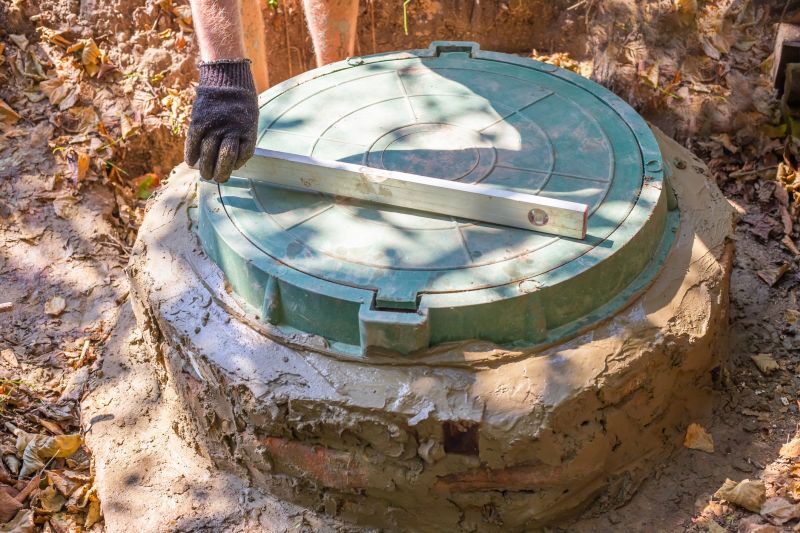
Sewage Tank Installation in Denver, CO
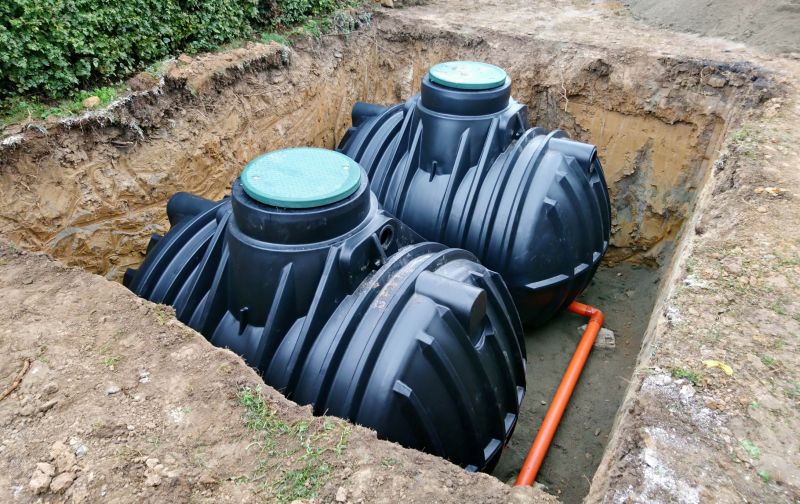
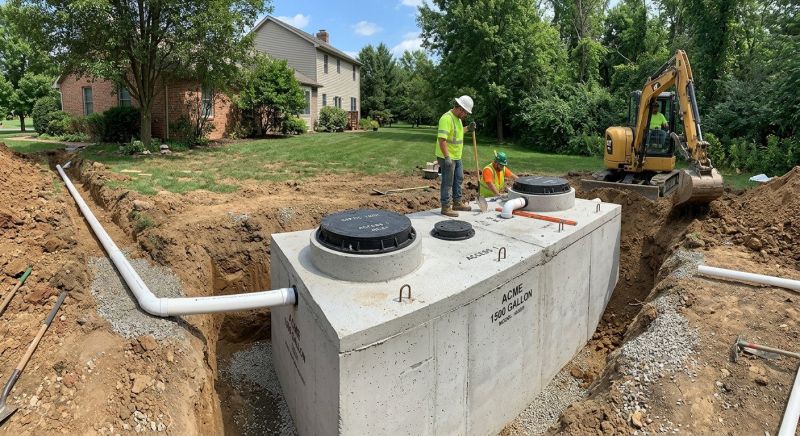
Sewage tank installation services involve placing underground tanks designed to collect and store wastewater from residential properties. These systems are essential for homes that are not connected to municipal sewer lines, providing a reliable method for waste management. Projects can range from installing new tanks for newly built homes to replacing or upgrading existing systems that may be outdated or malfunctioning. Property owners typically want to understand the size and type of tank suitable for their property, the installation process, and any local regulations or permitting requirements that must be met before beginning work.
Before requesting sewage tank installation, homeowners should consider factors such as the size of their household, property layout, and soil conditions, which can influence the type and placement of the tank. It’s also important to determine the location of the tank to ensure proper drainage and accessibility for maintenance. Understanding the necessary permits and compliance standards in the area can help streamline the process and avoid potential issues. Contacting a professional can provide guidance on the best system options and ensure the installation is performed correctly to meet local codes and property needs.
Many property owners in Denver, CO look into Sewage Tank Installation for repairs, replacements, upgrades, and appearance-related improvements.
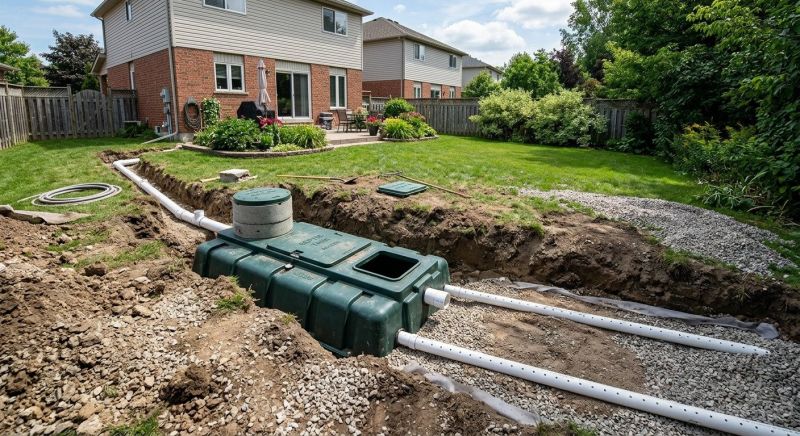
Proper Sewage Tank Placement
Ensuring the sewage tank is correctly positioned for optimal function and accessibility.
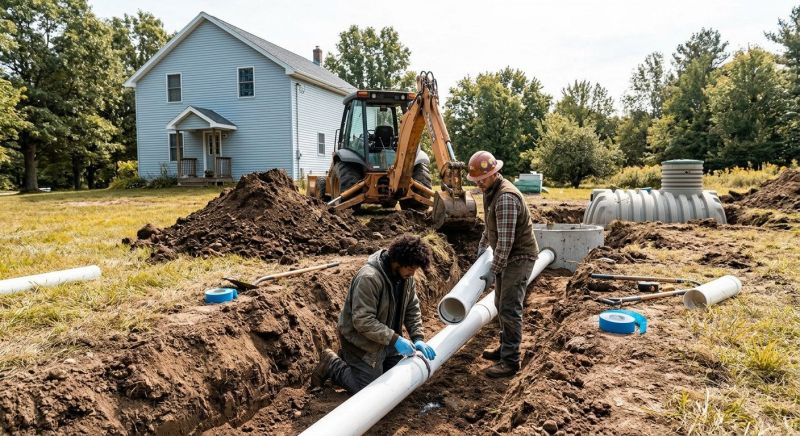
Tank Material Options
Choosing durable materials suited for denver’s soil conditions and property needs.
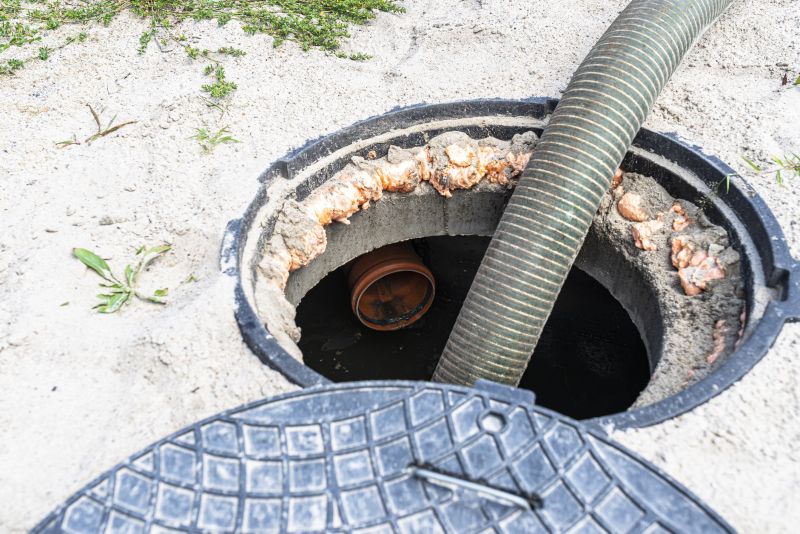
Maintenance And Inspection
Regular checks to prevent system failures and ensure long-term performance of the sewage tank.
Sewage Tank Installation in Denver, CO

Sewage tank installation services involve placing underground tanks designed to collect and store wastewater from residential properties. These systems are essential for homes that are not connected to municipal sewer lines, providing a reliable method for waste management. Projects can range from installing new tanks for newly built homes to replacing or upgrading existing systems that may be outdated or malfunctioning. Property owners typically want to understand the size and type of tank suitable for their property, the installation process, and any local regulations or permitting requirements that must be met before beginning work.
Before requesting sewage tank installation, homeowners should consider factors such as the size of their household, property layout, and soil conditions, which can influence the type and placement of the tank. It’s also important to determine the location of the tank to ensure proper drainage and accessibility for maintenance. Understanding the necessary permits and compliance standards in the area can help streamline the process and avoid potential issues. Contacting a professional can provide guidance on the best system options and ensure the installation is performed correctly to meet local codes and property needs.
Many property owners in Denver, CO look into Sewage Tank Installation for repairs, replacements, upgrades, and appearance-related improvements.
Common Sewage Tank Installation Jobs
Sewage Tank Installation - Installing new sewage tanks for residential and commercial properties.
Sewage Tank Replacement - Removing old tanks and installing updated systems to meet current standards.
Sewage Tank Repair - Fixing leaks, cracks, or other issues to ensure proper function.
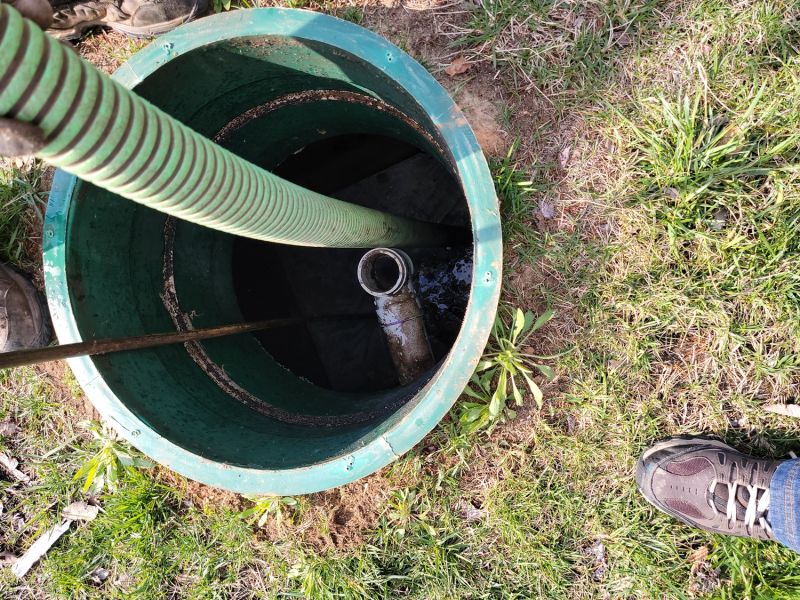
Sewage Tank Inspection - Conducting thorough assessments to determine tank condition and compliance.
Sewage Tank Maintenance - Providing routine check-ups to prevent future problems and extend tank lifespan.
Sewage Tank Removal - Safely removing decommissioned tanks when upgrading or abandoning systems.
Sewage Tank Installation Questions
What is involved in sewage tank installation? The process includes site assessment, proper tank placement, and connection to existing plumbing systems to ensure effective waste management.
Where should a sewage tank be installed on a property? Sewage tanks are typically placed underground away from building foundations, wells, and water sources to prevent contamination and facilitate maintenance.
What types of sewage tanks are available? Common options include concrete, plastic, and fiberglass tanks, each suited for different property sizes and usage needs.
How does property size affect sewage tank selection? Larger properties or those with higher waste output may require bigger tanks or multiple systems to handle the volume efficiently.
Request Sewage Tank Installation in Denver, CO
Use the quote form on this page to share the basics of your project and request more information for the type of work you need.