Pipe Leak Detection in Denver, CO
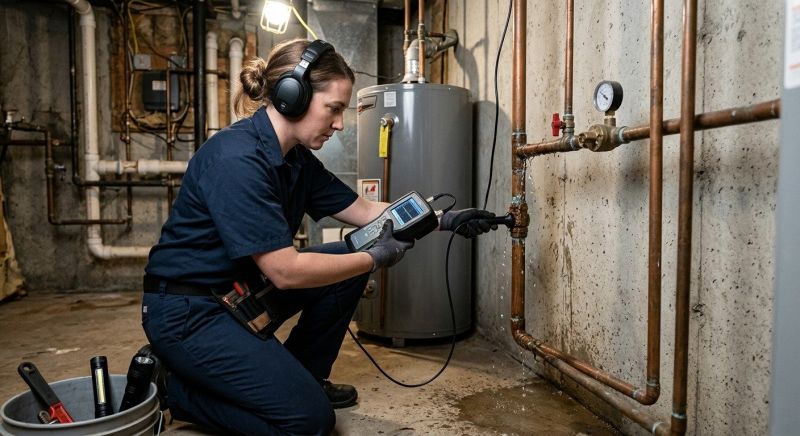
Pipe leak detection services involve specialized methods to identify hidden leaks within plumbing systems without invasive digging or extensive damage. These services are useful for a variety of projects, including residential homes experiencing unexplained water bills, damp spots on walls or floors, or reduced water pressure. Property owners typically want to understand the location and extent of a leak before proceeding with repairs, ensuring that the problem is accurately diagnosed to prevent further damage and unnecessary repairs.
Before requesting pipe leak detection, homeowners should consider factors such as the age of the plumbing system, signs of water intrusion, and recent plumbing changes or repairs. Knowing whether the leak is likely within walls, beneath flooring, or underground can help determine the most effective detection methods. Clear information about the symptoms observed and the areas affected can assist in choosing the appropriate services to pinpoint leaks efficiently and accurately.
Many property owners in Denver, CO look into Pipe Leak Detection for repairs, replacements, upgrades, and appearance-related improvements.
Identifying Hidden Leaks
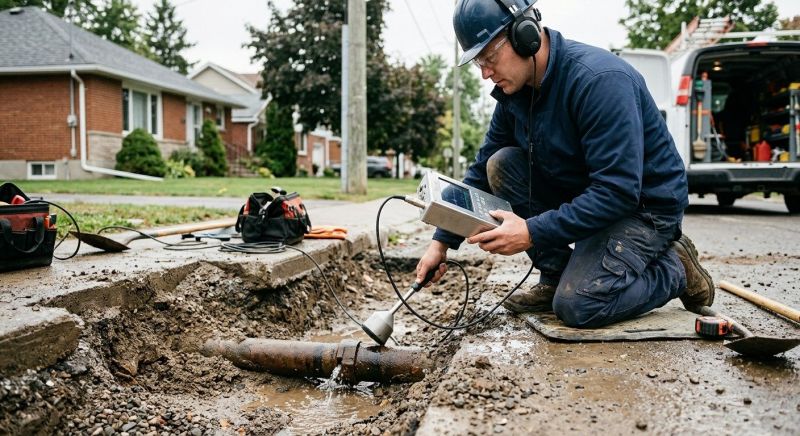
Advanced detection methods reveal leaks that are not visible on the surface.
Preventing Water Damage
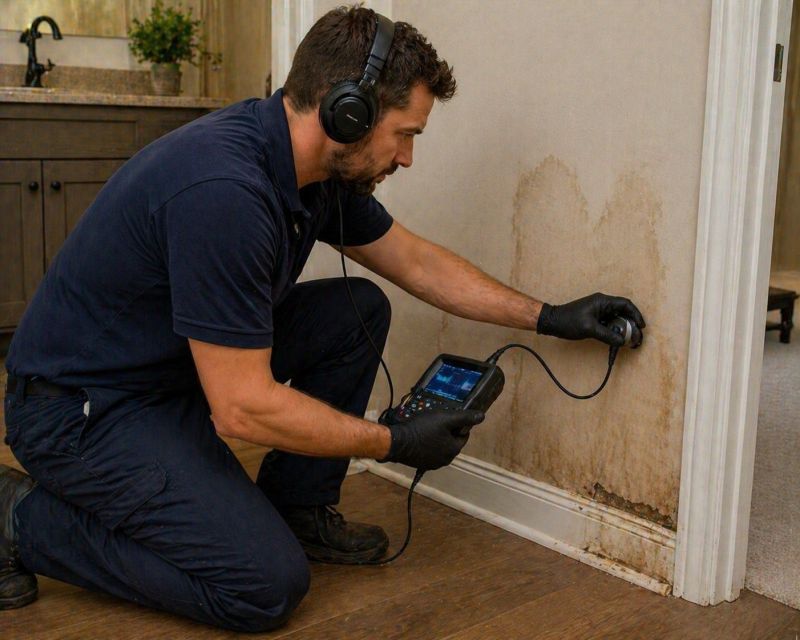
Early leak detection helps avoid costly repairs and property damage in denver homes.
Maintaining Plumbing Integrity
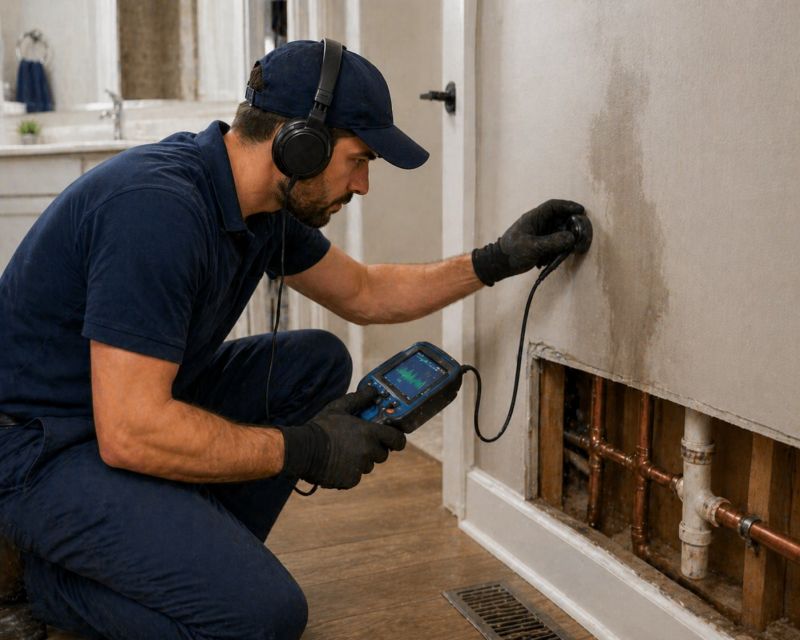
Regular pipe leak detection ensures the longevity and proper function of plumbing systems.
Pipe Leak Detection in Denver, CO

Pipe leak detection services involve specialized methods to identify hidden leaks within plumbing systems without invasive digging or extensive damage. These services are useful for a variety of projects, including residential homes experiencing unexplained water bills, damp spots on walls or floors, or reduced water pressure. Property owners typically want to understand the location and extent of a leak before proceeding with repairs, ensuring that the problem is accurately diagnosed to prevent further damage and unnecessary repairs.
Before requesting pipe leak detection, homeowners should consider factors such as the age of the plumbing system, signs of water intrusion, and recent plumbing changes or repairs. Knowing whether the leak is likely within walls, beneath flooring, or underground can help determine the most effective detection methods. Clear information about the symptoms observed and the areas affected can assist in choosing the appropriate services to pinpoint leaks efficiently and accurately.
Many property owners in Denver, CO look into Pipe Leak Detection for repairs, replacements, upgrades, and appearance-related improvements.
Common Pipe Leak Detection Jobs
Residential plumbing inspections - detect hidden leaks in pipes behind walls and under floors.
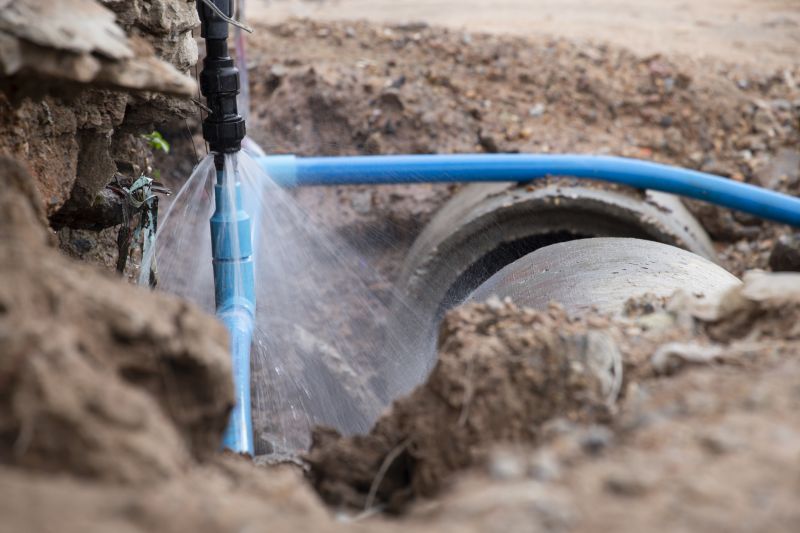
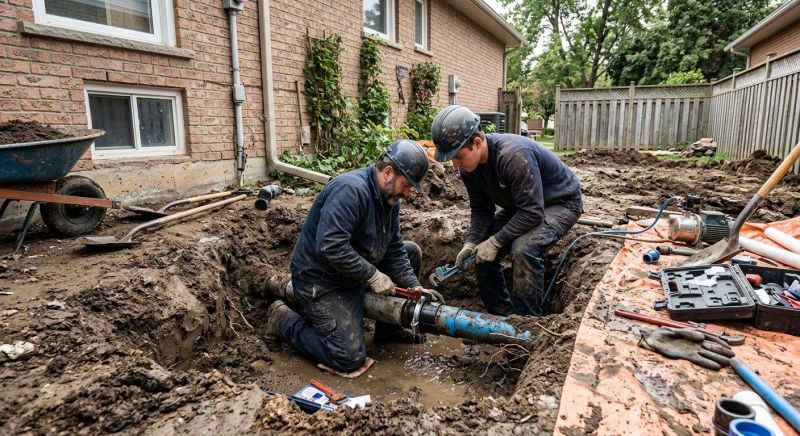
Underground pipe testing - locate leaks in buried water lines without extensive excavation.
Slab leak detection - identify leaks beneath concrete slabs to prevent structural damage.
Drain line assessments - find leaks or blockages in main and secondary drain lines.
Water pressure testing - identify irregularities indicating possible pipe leaks.
Video pipe inspections - visually confirm leak locations inside pipes using specialized cameras.
Pipe Leak Detection Questions
What are common signs of a pipe leak? Signs include unexplained water bills, damp spots on walls or floors, and the sound of running water when no fixtures are in use.
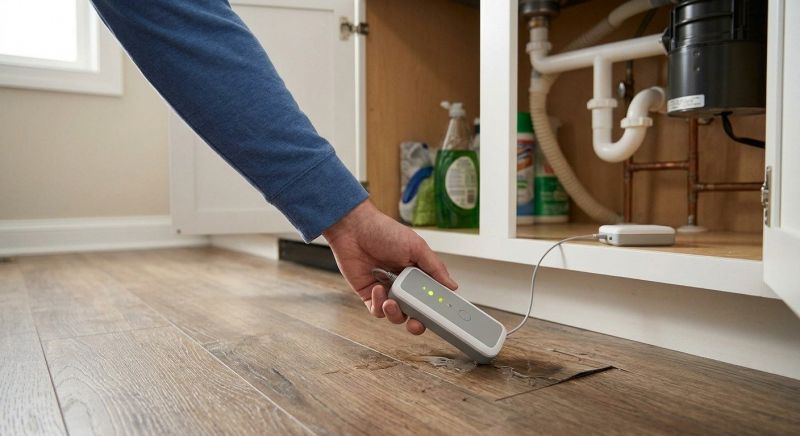
How does pipe leak detection work? It involves specialized equipment that locates leaks by identifying changes in moisture levels, sound, or temperature within the pipes.
Can leak detection prevent property damage? Yes, early detection helps identify leaks before they cause significant water damage or mold growth.
What types of pipes are typically checked for leaks? Both underground and indoor pipes, including water supply lines, sewer lines, and irrigation systems, are examined during leak detection services.
Request Pipe Leak Detection in Denver, CO
Use the quote form on this page to share the basics of your project and request more information for the type of work you need.