Sewer Line Unclogging in Austin, TX
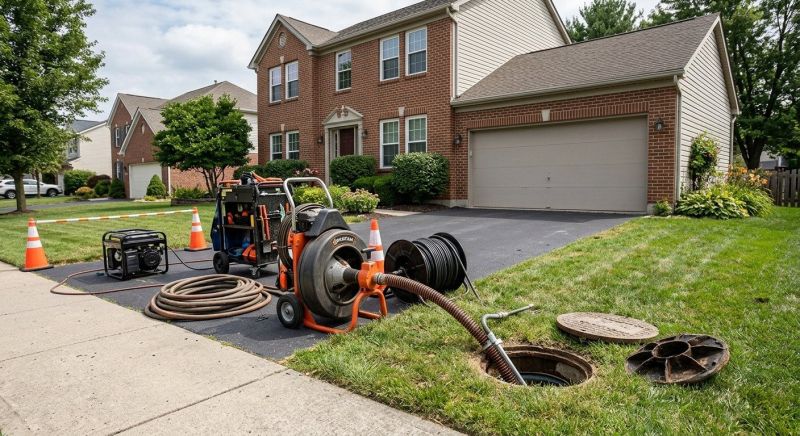
Sewer line unclogging services focus on removing blockages and obstructions within the main sewer lines that connect a property’s plumbing system to the municipal sewer system. These services are essential for addressing common issues such as slow drains, gurgling sounds, or foul odors originating from drains. Projects typically involve clearing clogs caused by debris, grease buildup, tree roots, or accumulated waste, helping to restore proper flow and prevent backups that can lead to property damage or health concerns.
Homeowners interested in sewer line unclogging should understand that the service often involves inspection to identify the cause and location of the blockage, as well as the methods used to clear it. It’s helpful to know if there are recurring drainage issues or signs of damage in the sewer system, as these can influence the scope of work needed. Proper assessment ensures that the appropriate techniques are used to effectively resolve the problem and maintain a healthy, functional plumbing system.
Many property owners in Austin, TX look into Sewer Line Unclogging for repairs, replacements, upgrades, and appearance-related improvements.
Common Causes Of Clogs
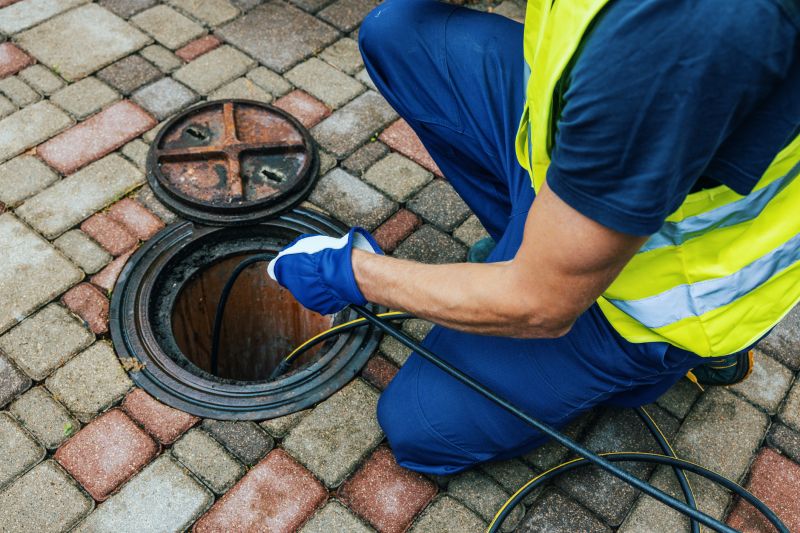
Blockages often result from grease buildup, debris, or foreign objects in sewer lines.
Signs Of A Clogged Sewer Line
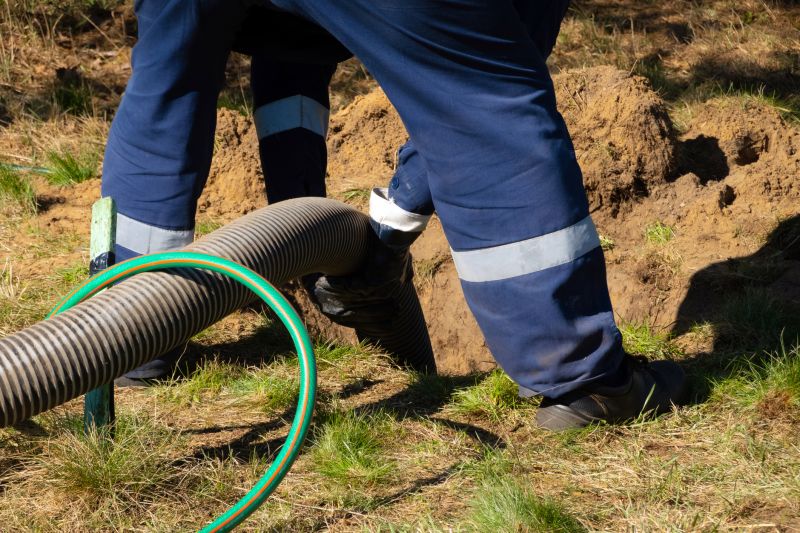
Slow drains, gurgling sounds, or unpleasant odors can indicate a sewer line clog.
Preventative Maintenance Tips
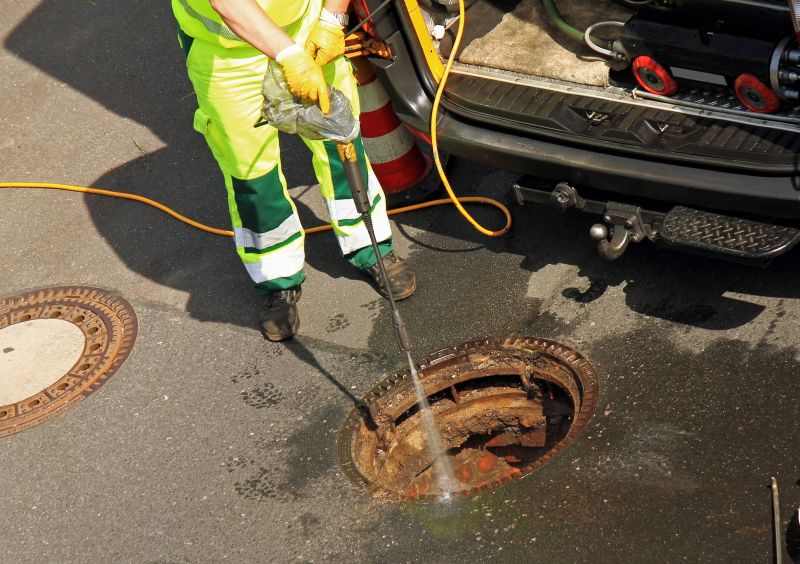
Avoiding flushing non-degradable items and regular inspections can help prevent future clogs in austin homes.
Sewer Line Unclogging in Austin, TX

Sewer line unclogging services focus on removing blockages and obstructions within the main sewer lines that connect a property’s plumbing system to the municipal sewer system. These services are essential for addressing common issues such as slow drains, gurgling sounds, or foul odors originating from drains. Projects typically involve clearing clogs caused by debris, grease buildup, tree roots, or accumulated waste, helping to restore proper flow and prevent backups that can lead to property damage or health concerns.
Homeowners interested in sewer line unclogging should understand that the service often involves inspection to identify the cause and location of the blockage, as well as the methods used to clear it. It’s helpful to know if there are recurring drainage issues or signs of damage in the sewer system, as these can influence the scope of work needed. Proper assessment ensures that the appropriate techniques are used to effectively resolve the problem and maintain a healthy, functional plumbing system.
Many property owners in Austin, TX look into Sewer Line Unclogging for repairs, replacements, upgrades, and appearance-related improvements.
Common Sewer Line Unclogging Jobs
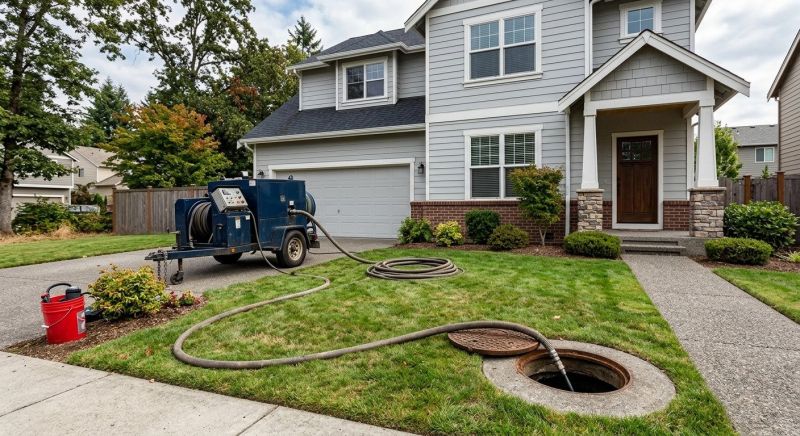
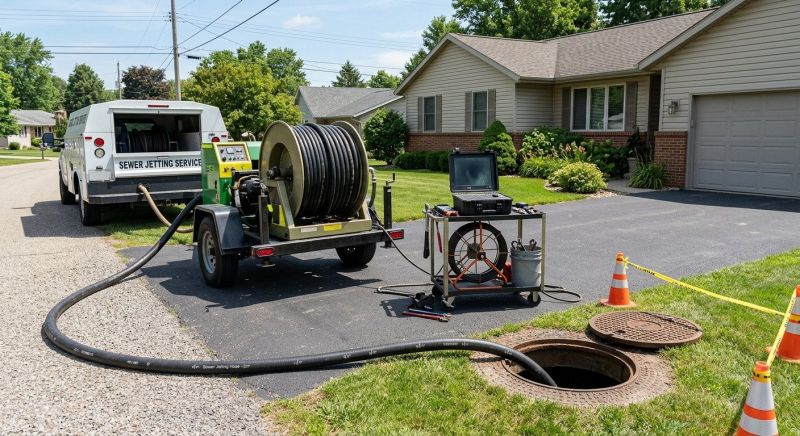
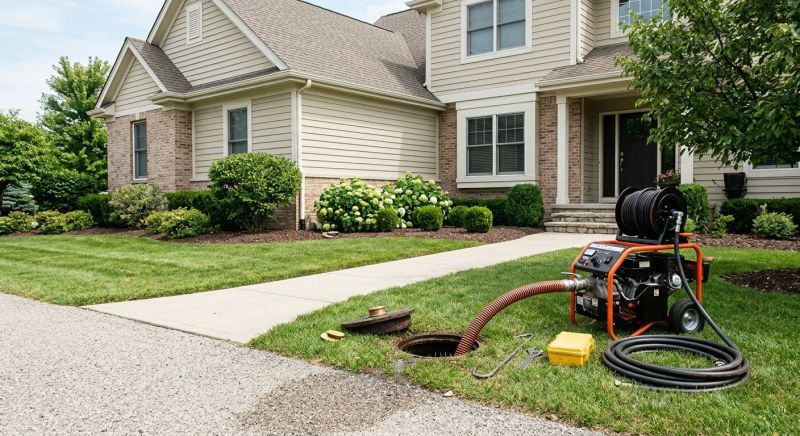
Sewer line unclogging - removes blockages to restore proper flow and prevent backups.
Drain clearing - addresses clogged pipes caused by debris, grease, or tree roots.
Emergency sewer services - provides rapid response for sudden and severe clogs.
Pipe inspection - uses cameras to locate the source of blockages and assess pipe condition.
Preventive maintenance - includes regular inspections to avoid future clogs and pipe damage.
Root removal - eliminates invasive tree roots that can obstruct sewer lines.
Sewer Line Unclogging Questions
What are common signs of a clogged sewer line? Signs include slow draining fixtures, foul odors, and gurgling sounds in the plumbing system.
What causes sewer line clogs? Common causes are grease buildup, tree roots, debris, and foreign objects blocking the pipes.
How can sewer line blockages be prevented? Regular maintenance, avoiding flushing non-flushable items, and managing tree roots can help prevent clogs.
What should property owners do if they suspect a sewer line issue? Contact a professional for an inspection and appropriate unclogging services to address the problem.
Request Sewer Line Unclogging in Austin, TX
Use the quote form on this page to share the basics of your project and request more information for the type of work you need.