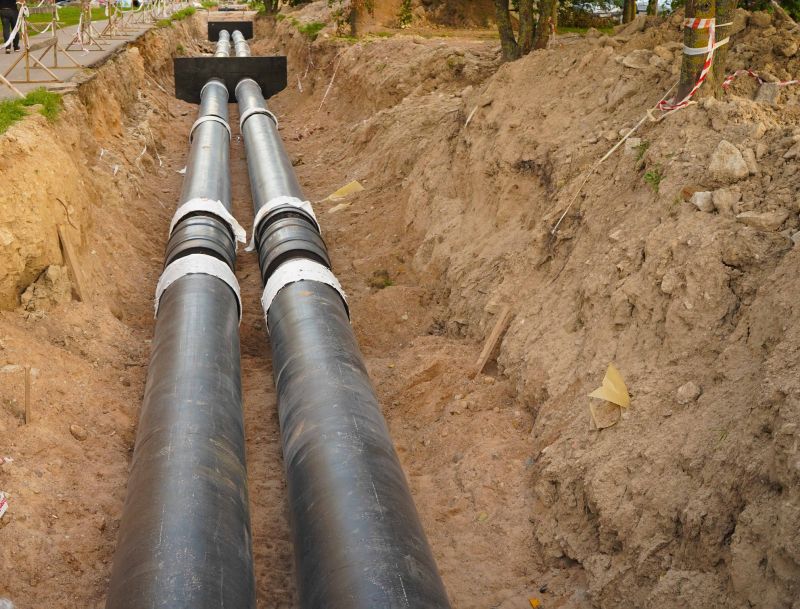
Sewer Repair in Austin, TX
Sewer repair services address issues with a property's underground sewer lines, including broken, cracked, or blocked pipes that can cause backups, odors, or property damage. These projects typically involve diagnosing the problem through inspections, such as video camera assessments, and then performing necessary repairs or replacements to restore proper function. Homeowners often request sewer repair services when experiencing persistent backups, foul smells, or signs of pipe deterioration, aiming to prevent more extensive damage and maintain a healthy, functional plumbing system.
Before requesting sewer repair, property owners usually want to understand the scope of the problem, the methods used to diagnose it, and the options available for repair or replacement. It's also common to inquire about potential disruptions during the work and any necessary preparations. Clear communication about the condition of the sewer lines and the recommended solutions can help homeowners make informed decisions to address issues efficiently and effectively.
Many property owners in Austin, TX look into Sewer Repair for repairs, replacements, upgrades, and appearance-related improvements.
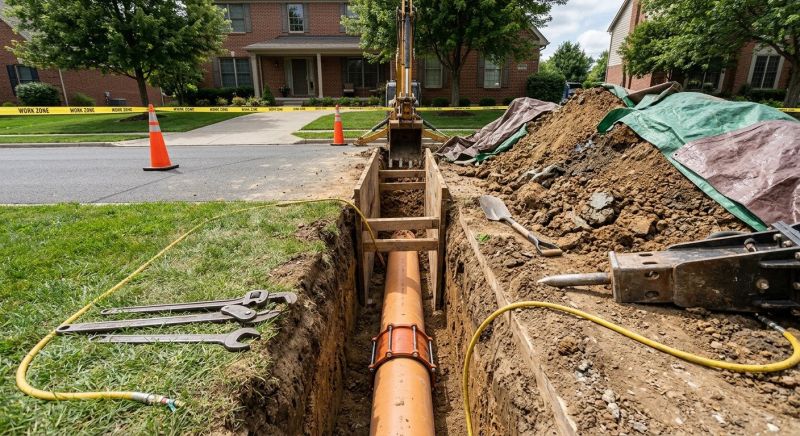
Signs Of Sewer Issues
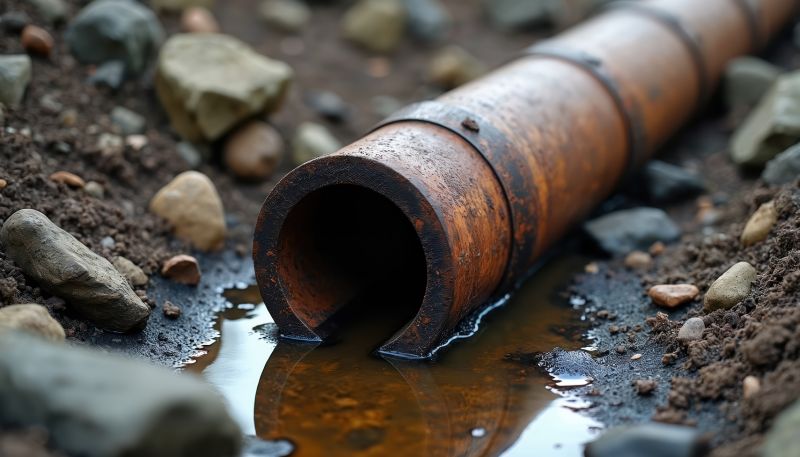
Homeowners may notice slow drains, gurgling sounds, or unpleasant odors indicating sewer problems.
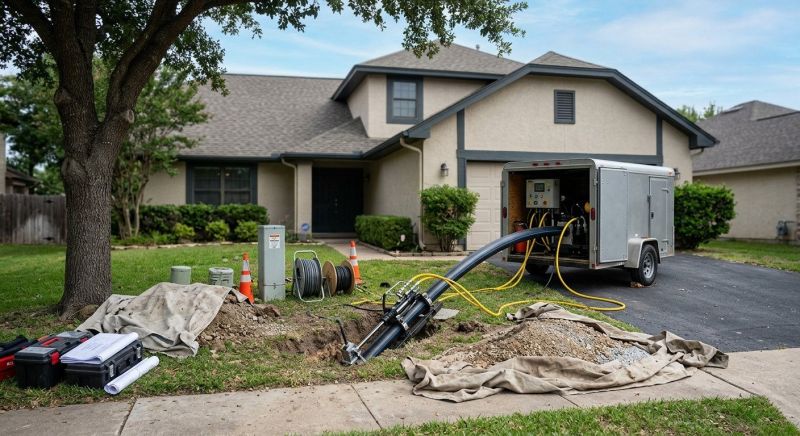
Common Repair Solutions
Repairs often involve pipe lining, replacement of damaged sections, or clearing blockages to restore proper flow.
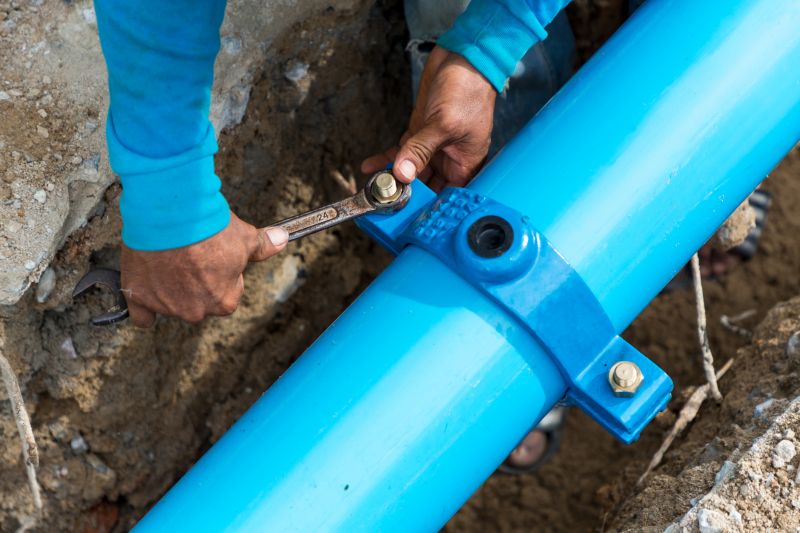
Preventative Maintenance
Regular inspections and early repairs can help prevent costly sewer backups in austin properties.
Sewer Repair in Austin, TX

Sewer repair services address issues with a property's underground sewer lines, including broken, cracked, or blocked pipes that can cause backups, odors, or property damage. These projects typically involve diagnosing the problem through inspections, such as video camera assessments, and then performing necessary repairs or replacements to restore proper function. Homeowners often request sewer repair services when experiencing persistent backups, foul smells, or signs of pipe deterioration, aiming to prevent more extensive damage and maintain a healthy, functional plumbing system.
Before requesting sewer repair, property owners usually want to understand the scope of the problem, the methods used to diagnose it, and the options available for repair or replacement. It's also common to inquire about potential disruptions during the work and any necessary preparations. Clear communication about the condition of the sewer lines and the recommended solutions can help homeowners make informed decisions to address issues efficiently and effectively.
Many property owners in Austin, TX look into Sewer Repair for repairs, replacements, upgrades, and appearance-related improvements.
Common Sewer Repair Jobs
Sewer line replacement - involves removing and installing new sewer pipes to ensure proper flow.
Sewer pipe repair - addresses cracks, leaks, or blockages in existing sewer lines.
Drain line cleaning - clears clogs and buildup to restore effective drainage.
Video camera inspection - identifies issues within sewer lines without invasive digging.
Pipe relining - repairs damaged pipes by creating a new inner lining to extend their lifespan.
Sewer system maintenance - includes routine inspections and minor repairs to prevent major problems.
Sewer Repair Questions
What signs indicate a sewer line may need repair? Signs include persistent backups, foul odors, slow drains, or unexplained lush patches in the yard.
What types of sewer repair services are available? Services typically include trenchless repairs, pipe replacement, and line cleaning to address various issues.
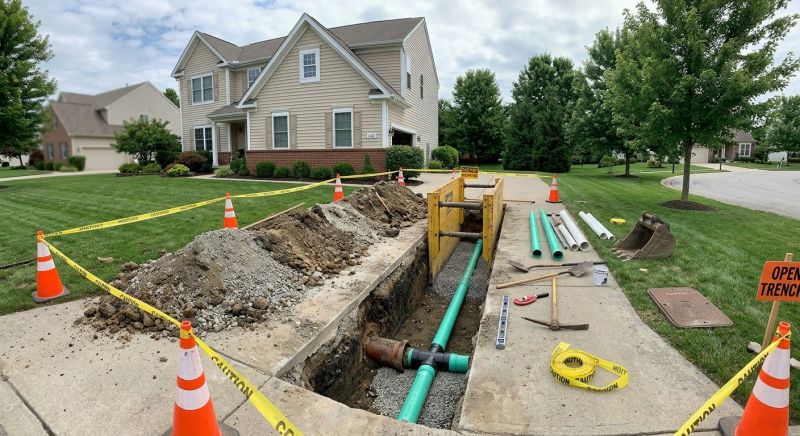
Is sewer repair disruptive to property? Modern methods often minimize disruption, but some repairs may require limited excavation or access points.
How can property owners prevent sewer problems? Regular inspections and avoiding flushing inappropriate materials help maintain sewer line health.
Request Sewer Repair in Austin, TX
Use the quote form on this page to share the basics of your project and request more information for the type of work you need.