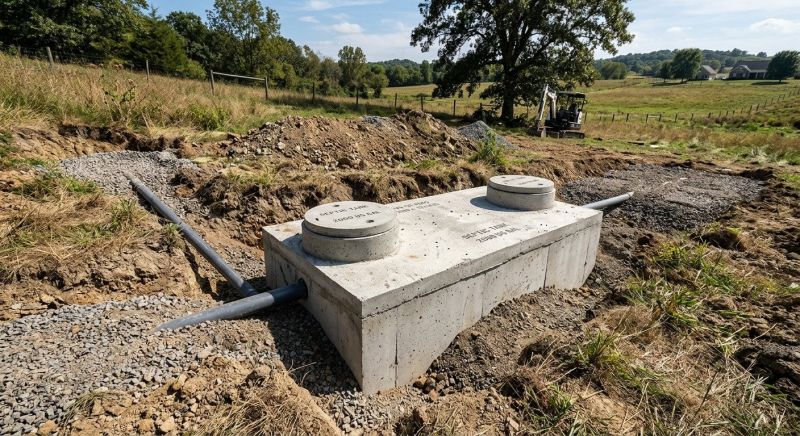
Septic System Replacement in Denver, CO
Septic system replacement involves removing an existing septic tank and installing a new system to ensure proper wastewater management on a property. This service is typically requested when a septic system has reached the end of its lifespan, is experiencing frequent backups, or has been damaged due to age, improper maintenance, or environmental factors. Projects may include replacing a failing tank, upgrading to a larger capacity, or updating components to meet current standards. Property owners should understand the condition of their existing system, the size and type of new system needed, and any local regulations or permits required before beginning a replacement project.
Homeowners often want to know about the signs indicating a septic system needs replacement, such as persistent odors, slow drains, or pooling wastewater. It’s also important to consider the soil conditions, property size, and future needs when planning for a new system. Proper replacement ensures the continued safe and effective treatment of wastewater, helping to prevent costly repairs or environmental issues. Contacting a professional for an assessment can provide clarity on the scope of work and the best options for a reliable, long-term septic solution.
Many property owners in Denver, CO look into Septic System Replacement for repairs, replacements, upgrades, and appearance-related improvements.
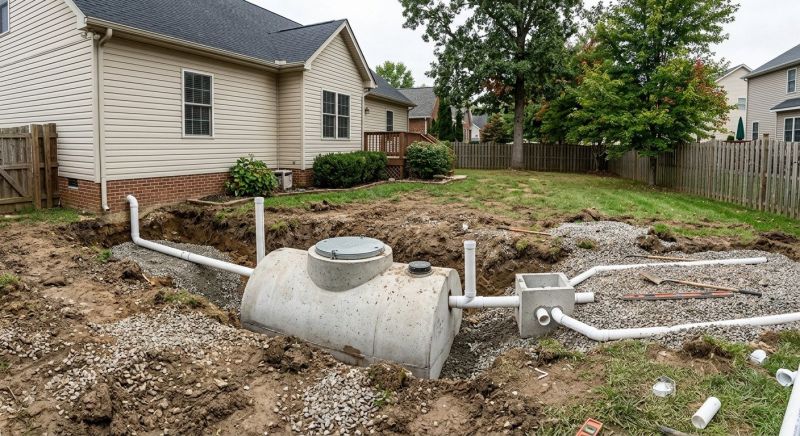
Septic System Replacement Options
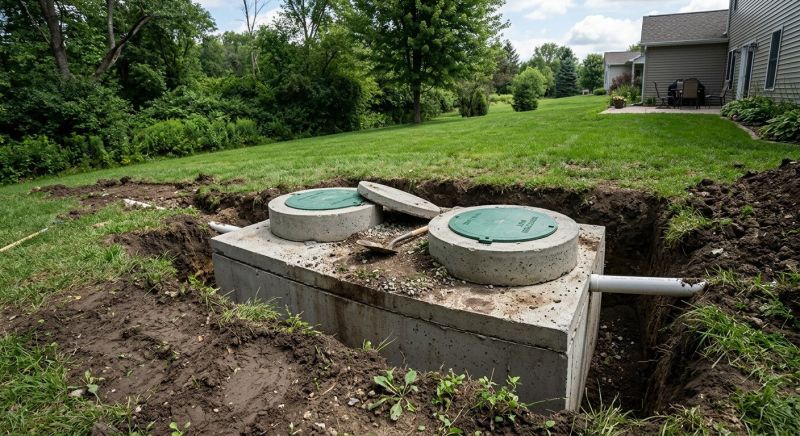
Choosing the right replacement system ensures reliable waste management for your property.
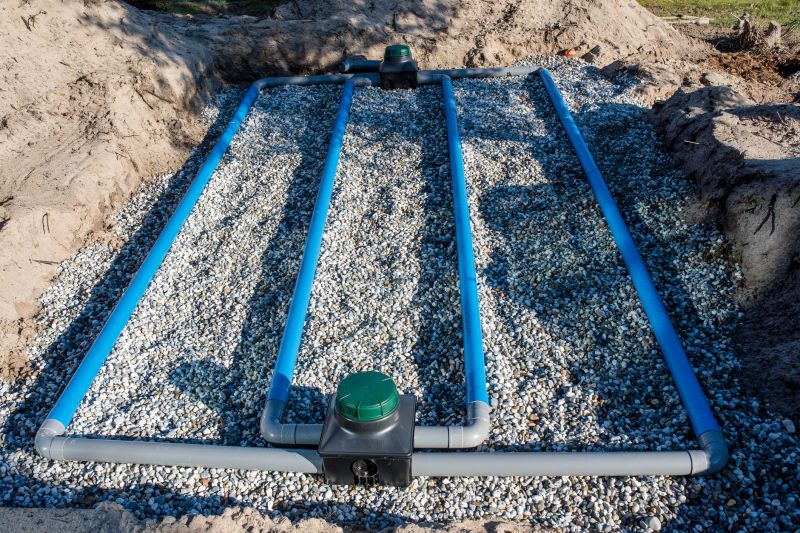
Signs You Need A Replacement
Persistent backups, odors, or system failures may indicate it's time for a new septic system.
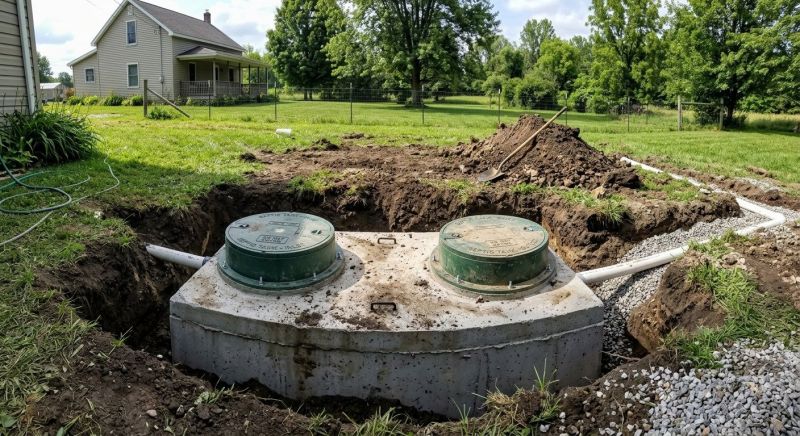
Installation Considerations
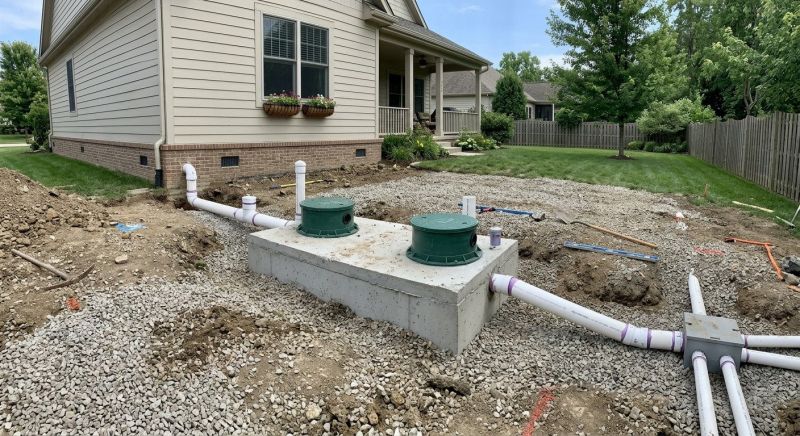
Proper site assessment and planning are essential for a successful septic system upgrade in denver and nearby areas.
Septic System Replacement in Denver, CO

Septic system replacement involves removing an existing septic tank and installing a new system to ensure proper wastewater management on a property. This service is typically requested when a septic system has reached the end of its lifespan, is experiencing frequent backups, or has been damaged due to age, improper maintenance, or environmental factors. Projects may include replacing a failing tank, upgrading to a larger capacity, or updating components to meet current standards. Property owners should understand the condition of their existing system, the size and type of new system needed, and any local regulations or permits required before beginning a replacement project.
Homeowners often want to know about the signs indicating a septic system needs replacement, such as persistent odors, slow drains, or pooling wastewater. It’s also important to consider the soil conditions, property size, and future needs when planning for a new system. Proper replacement ensures the continued safe and effective treatment of wastewater, helping to prevent costly repairs or environmental issues. Contacting a professional for an assessment can provide clarity on the scope of work and the best options for a reliable, long-term septic solution.
Many property owners in Denver, CO look into Septic System Replacement for repairs, replacements, upgrades, and appearance-related improvements.
Common Septic System Replacement Jobs
Septic System Replacement - involves removing the old system and installing a new one to ensure proper waste management.
Septic Tank Replacement - includes upgrading or replacing an outdated or damaged septic tank for reliable operation.
Drain Field Replacement - entails installing a new drain field to prevent system failure and protect property health.
Full System Overhaul - offers a complete replacement of all septic components for optimal performance.
Leach Field Replacement - involves replacing or repairing the leach field to improve wastewater dispersal.
Septic System Upgrade - provides modernized solutions to meet current code requirements and property needs.
Septic System Replacement Questions
What are signs that a septic system needs replacement? Indicators include persistent odors, slow drains, backups, or standing water near the system area.
How long does a septic system replacement typically take? The process usually spans several days, depending on site conditions and system size.
What types of septic systems can be replaced? Various systems can be replaced, including traditional gravity, mound, and alternative treatment units.
What should property owners consider before replacing a septic system? It's important to evaluate system size, property layout, and future usage needs for proper replacement planning.
Request Septic System Replacement in Denver, CO
Use the quote form on this page to share the basics of your project and request more information for the type of work you need.